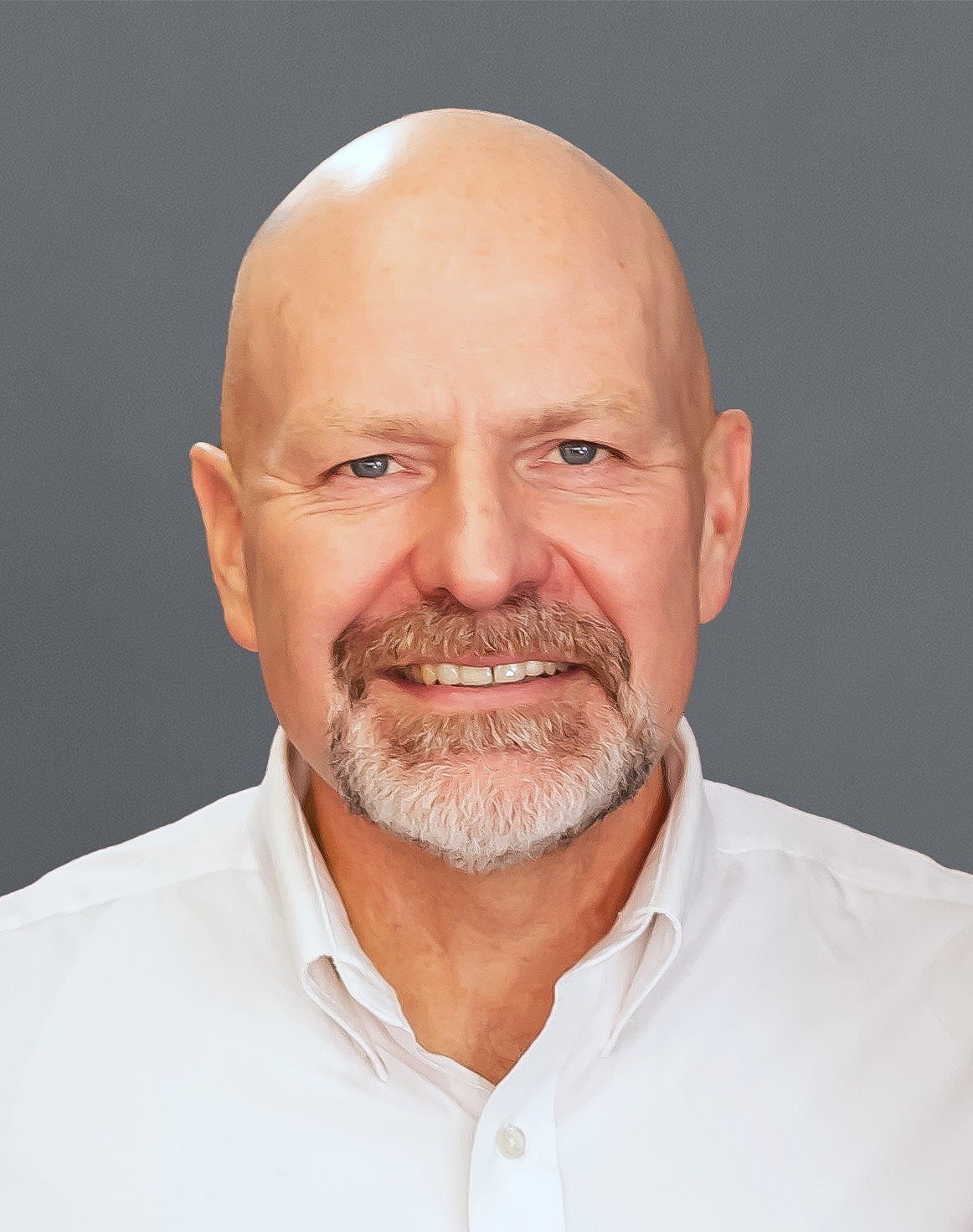
Hello. I am Sam Hawkins - a Licensed Professional Counselor and the owner of Praxis Counseling and Consulting. The fit between a client and counselor is critical. The following explains a bit about me, my background, and what I bring to the counseling process.
About Dr. Samuel Hawkins
My Specializations
While I am experienced and comfortable with working with clients from a broad variety of backgrounds, I believe my personal experiences and interests make me especially likely to be a good fit for clients from the following groups:
High-Performing Professionals
Certain occupations place very high demands on professionals for intense levels of commitment, performance, and effort. Having worked in large corporations for two decades, I am personally familiar with the possibility for these occupations to create performance anxiety, feelings of “Imposter Syndrome,” and burnout. I use a combination of CBT and life management coaching to help stressed professionals align their values and behavior, and improve their work-life balance.
Engineers, Analysts, Scientists
People with a cognitive style that makes them effective at complex technical work often find that spouses, family members, and co-workers may not share their analytical approach, or find it easy to communicate with them. Such professionals may see counseling as too focused on emotional processing and discussion to be helpful to them. I worked in the engineering field for over 25 years, and value structured analysis and problem-solving. I believe counseling should leverage our analytical and reasoning skills and help find the balance of logic and emotion that works best for our life and relationships.
Complicated Families
Every family is complicated. Some family situations, though, bring challenges it seems no one prepared us for. In addition to my graduate education in Marriage and Family Therapy, I have been a parent, a step-parent, a step-grandparent, and a foster parent, and have been through the transition to parenting adult children. I believe all these experiences are helpful in navigating the wide range of family situations. I also believe this is very important in working with parents and adult children who may be going through the difficult challenges associated with re-negotiating boundaries or who have become estranged.
Seekers, Strugglers, Questioners
My Ph.D. dissertation research was focused on what happens when a person begins to question, doubt, or change their belief system. My research also investigated how a major change in a person’s beliefs or practices affects their relationships. I have experienced two such “worldview transformations” in my lifetime, and understand the confusion and emotional upheaval that can be involved when we explore “Big Questions.” I also understand the process by which we maintain or change our thinking, and seek to meet our needs for both intellectual integrity and good relationships. As a Christian minister and a student of both theology and philosophy, I highly value the process of exploration and discovery by which individuals sort through competing beliefs and find their deepest commitments, and always feel honored to assist others with their explorations.
My Counseling Style
I have been described as calming, attentive, and thoughtful. I think my greatest strength as a counselor is my desire to help each client be able to tell their personal life story, examine it honestly, and make intentional decisions about where they want their life to go. I try to give each client the opportunity to feel they can share their hopes, dreams, burdens, worries, fears, and failures, and be supported in clarifying and pursuing their goals.
My Education and Training
I love to learn, and I especially love learning about people - how we think, feel, make decisions, and interact with each other.
I hold a Ph.D. in Marriage and Family Therapy, a Master’s degree in Clinical Mental Health Counseling, a Master’s degree in Theological Studies, and Master’s and Bachelor’s Degrees in Psychology. I am a member of the Alabama Counseling Association, and the Society of Christian Philosophers.
My Counseling Methods
While some counselors use one theory or method of counseling, I believe responding to each client is likely to require a combination of techniques. The approaches I emphasize with individuals are Cognitive Behavioral Therapy (CBT), Narrative Therapy, and Spiritual/Existential Counseling. CBT is a powerful approach that examines our patterns of thinking and belief and how those may be biased against us, and uses structured plans to develop more effective behaviors and healthier emotions. Narrative Therapy emphasizes the importance of the story we believe about our life, and how it is possible for us to reauthor that story to one that is more hopeful and meaningful. Spiritual and existential counseling brings the spiritual dimension and the “Big Questions” of life into therapy. I am both trained in and personally very comfortable in working with persons who practice a specific religious faith, as well as those who take a non-religious approach or who may be seeking answers to spiritual questions.
In working with Couples and Families, I use some of those same techniques, but within the framework of Systemic and Strategic Therapy. My primary method in this area is Contextual Therapy, which emphasizes the importance of building a strong history of positive interactions and trust among family members. I also use principals from Bowenian therapy and the Gottman method when appropriate.